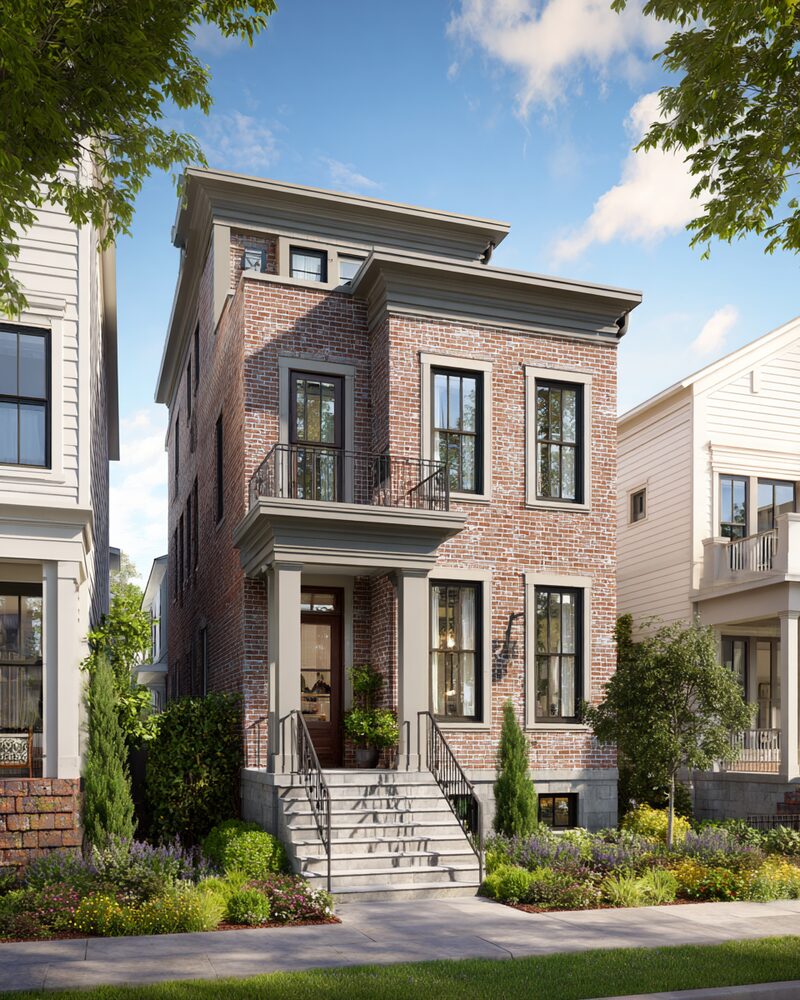
Whether you plan to buy your next home in Lawrenceville, sell a property in Suwanee, or invest in a rental near Buford, a clear local plan makes the difference between a good transaction and a great one. This guide breaks down practical, search-friendly steps that work now and will still be useful years from today for anyone focused on Gwinnett County real estate. Read it to find smart ways to protect value, increase buyer interest, and move efficiently through today's market conditions.
Start with the market facts that matter. Gwinnett County is not one single market but a collection of micro markets shaped by school zones, transit corridors, new development, and employment hubs. Look beyond countywide averages and study recent sold prices within a one mile radius, days on market for similar homes, and active inventory levels in your target neighborhood. These specific local metrics drive pricing and offer strategy more than statewide headlines.
Know the neighborhoods and what buyer demand looks like. Towns such as Duluth, Norcross, Sugar Hill, Snellville, Lilburn, Dacula, Grayson, and Hoschton each attract different buyers. Young families commonly chase top-rated school zones and walkable downtowns, while professionals may prioritize proximity to I 85, GA 316, or Park Place technology corridors. Investors will examine rent comps and vacancy rates in areas with strong job growth. Match your property narrative to the likely buyer profile for the neighborhood.
Prepare a fact based pricing plan. For sellers, pricing too high reduces showings and trains buyers to wait; pricing too low leaves money on the table. Use recent comparable sales, adjust for condition and updates, and include micro market signals like multiple offer trends or seasonal shifts. For buyers, a local price map helps you know when a home is fairly valued versus overpriced so you can make a confident offer or walk away.
Focus improvements on the highest local return. In Gwinnett County, targeted updates often beat full scale remodels. Fresh paint in neutral tones, modern lighting, cleaned or replaced flooring where worn, and curb appeal investments like trimmed landscaping and power washing typically deliver strong returns. Kitchens and bathrooms matter, but so do energy efficient windows and smart thermostats when competing listings include these features.
Stage and market to digital audiences. Most buyers start online. High quality photos, concise neighborhood descriptions (mention nearby schools, parks, and commute times), and a clear floor plan increase click through and showing rates. Sellers should make it easy for agents to create virtual tours and floor plan graphics. Buyers should insist on high quality listing media to evaluate the property before a visit.
Understand inspection, repair, and negotiation dynamics. When inspection issues arise, Gwinnett buyers and sellers should prioritize safety and code compliance items first, then present reasonable repair solutions for cosmetic or deferred maintenance problems. Clear, documented estimates from licensed contractors reduce friction in negotiations and keep transactions moving to close.
Get mortgage ready and stay flexible on terms. Buyers should secure pre approval and understand current interest rate options, while sellers should consider what timing and contingencies buyers might need. In a shifting market, a clean appraisal and a reliable lender relationship often wins a competitive offer. Likewise, sellers who can offer flexible closing windows or assist with minor repairs frequently attract more offers.
Track local triggers that change value. New school ratings, road projects, mixed use developments, and commercial growth can shift demand quickly in Gwinnett. Use county resources like the Gwinnett County tax assessor, local school boundary maps, and development notices to anticipate how neighborhood desirability may change over time. These signals help investors and homeowners make proactive decisions.
When selling, package the story. Provide buyers with a local advantage packet: recent utility and tax info, neighborhood amenities, HOA facts if applicable, and a list of recent upgrades with receipts. A clear history reduces buyer hesitation and often shortens the negotiation cycle.
For long term owners and investors, monitor rent growth and resale comps annually. Even if you are not planning to sell soon, periodic market checks in your micro market help you decide when to refinance, renovate, or sell for maximum gain. Small annual improvements timed with strong market windows pay off more than reactive overhauls.
If you want a tailored plan for a specific Gwinnett County neighborhood or property, reach out to The Rains Team. We help buyers and sellers in Lawrenceville, Suwanee, Duluth, Sugar Hill, Norcross, Snellville, Lilburn, Buford, Dacula, Grayson and beyond evaluate local comps, prepare offers, and market homes for top value. Call 404-620-4571 to discuss your goals or visit
www.gwinnettcountyhomes.com to explore neighborhood guides and recent listings curated for Gwinnett County homeowners and buyers.
A clear, local investment blueprint paired with timely action is what separates a good real estate outcome from a great one. Use these steps to assess opportunities, protect value, and move confidently through Gwinnett County's evolving market.
