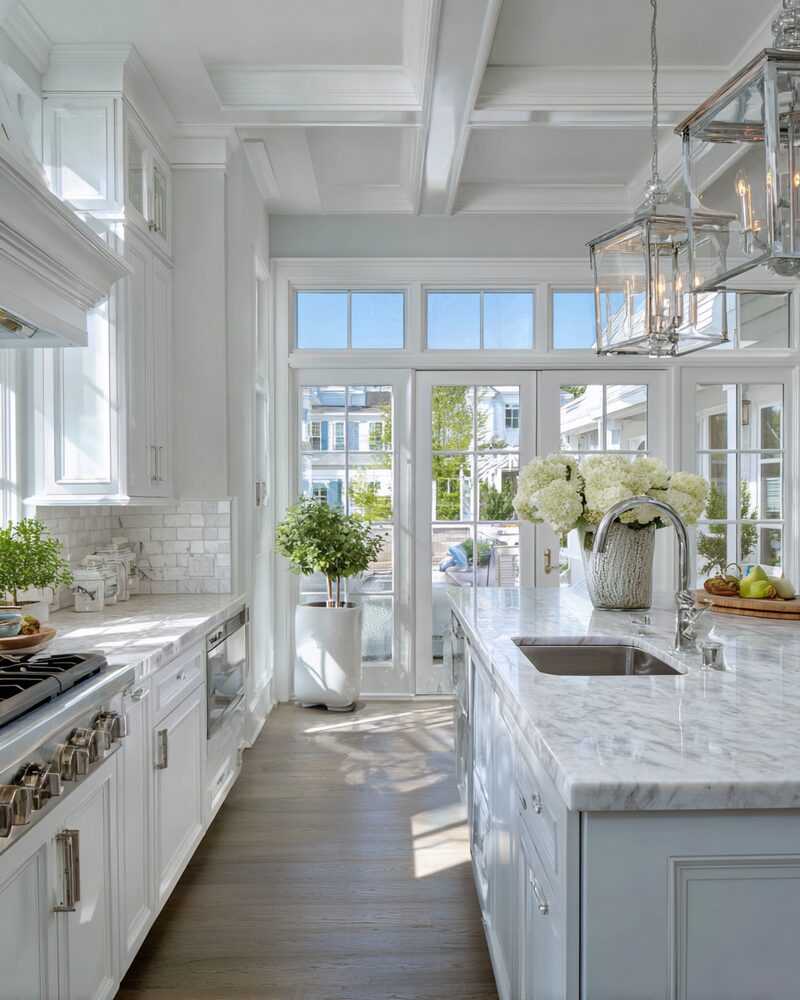
Bringing a home to market or hunting for the right Gwinnett County property is about more than paint color and the size of a backyard. Today's buyers and sellers win when they look at the layered neighborhood signals that influence long term value, marketability, and daily life. This guide breaks down the practical neighborhood factors that matter now and will keep mattering for years to come for anyone buying or selling in Gwinnett County.
Start with the micro market not the county at large. Gwinnett County is a collection of many different micro markets. Listing price and demand in one ZIP code can be very different from the next street over. When evaluating a home or preparing one for sale, focus on recent comparable sales in the same subdivision or school cluster, local inventory, and how long similar homes are sitting on market. Those are the data points that drive price and timing decisions today.
School assignments still move buyers and family decisions. Even buyers without school-aged children reference nearby schools when choosing a neighborhood because strong schools typically mean steady buyer demand and resale stability. Verify current school zones, look at attendance patterns, and consider proximity to highly sought-after schools as part of your value assessment.
Commute and access matter more than ever. Proximity to major corridors, Park and Ride lots, and transit options affects who will compete for your home. For buyers, balance commute time with lifestyle tradeoffs. For sellers, clearly communicating realistic commute times and access to major employers in Atlanta or the Perimeter can expand your pool of buyers.
Digital infrastructure is now a neighborhood amenity. Areas with reliable high speed internet and fiber options attract remote workers and families who need robust connectivity. When marketing a home, highlight internet providers, upload/download speeds, and any smart home systems that add modern convenience.
Local development and zoning changes reshape long term demand. Keep an eye on county and city planning updates, rezonings, and major commercial projects. A new retail center, school, or planned road can improve daily life and property values — or change traffic patterns and noise levels. Buyers should research planned projects; sellers should be ready to explain how local changes affect future value.
Parks, walkability, and outdoor spaces drive lifestyle choices. Proximity to trails, green spaces, and well-maintained community amenities often leads to stronger buyer interest and more consistent pricing. For sellers, small investments to improve outdoor living — simple landscaping, lighting, or a clean patio — can yield outsized returns.
Home features that future buyers will still value in Gwinnett County include flexible living spaces, energy efficiency, and low-maintenance exteriors. Open floor plans that adapt to home offices, durable siding and roofing, and updated HVAC systems are selling points that resonate across market cycles. Sellers should highlight recent upgrades and energy-saving features in all marketing materials.
Staging and photography tailored to local buyers matter. In Gwinnett County people respond to clear, well-lit photography that shows functional spaces and neighborhood context. Professional photos, a concise neighborhood summary, and a virtual tour can set your listing apart in an inventory-constrained market.
Price with precision. Overpricing can stall a listing and create perception issues; underpricing can leave money on the table. A current comparative market analysis that factors in micro-market trends, seasonality, and recent buyer behavior is essential. Buyers should use the same analysis
