Whether you are searching for homes for sale in Gwinnett County GA or preparing to list your property, this playbook is built to answer the real questions local buyers and sellers ask today and for years to come. It focuses on practical steps, local insights, and strategies that improve results in communities like Lawrenceville, Suwanee, Duluth, Buford, Norcross, Snellville and Sugar Hill. Use these tactics to make confident decisions in a market that changes with interest rates, inventory cycles, and regional growth patterns.
Start with current market context before making moves. Buyers should track inventory levels, typical days on market, and price per square foot in the neighborhoods they care about. Sellers should monitor comparable sales and buyer demand for home styles and features. Both sides benefit from local knowledge: proximity to schools inside Gwinnett County Public Schools, commute corridors like I 85 and SR 316, and upcoming community investments can materially affect value over time.
For buyers: be ready with more than a wishlist. Get pre approved for a mortgage early, set realistic priorities (school zone, lot size, commute time, resale potential), and identify flexible vs non negotiable items. Consider newer construction pockets for lower maintenance or established neighborhoods for larger lots and mature landscaping. When evaluating an offer, factor in long term costs such as property taxes, HOA fees, and likely maintenance in Gwinnett County climates.
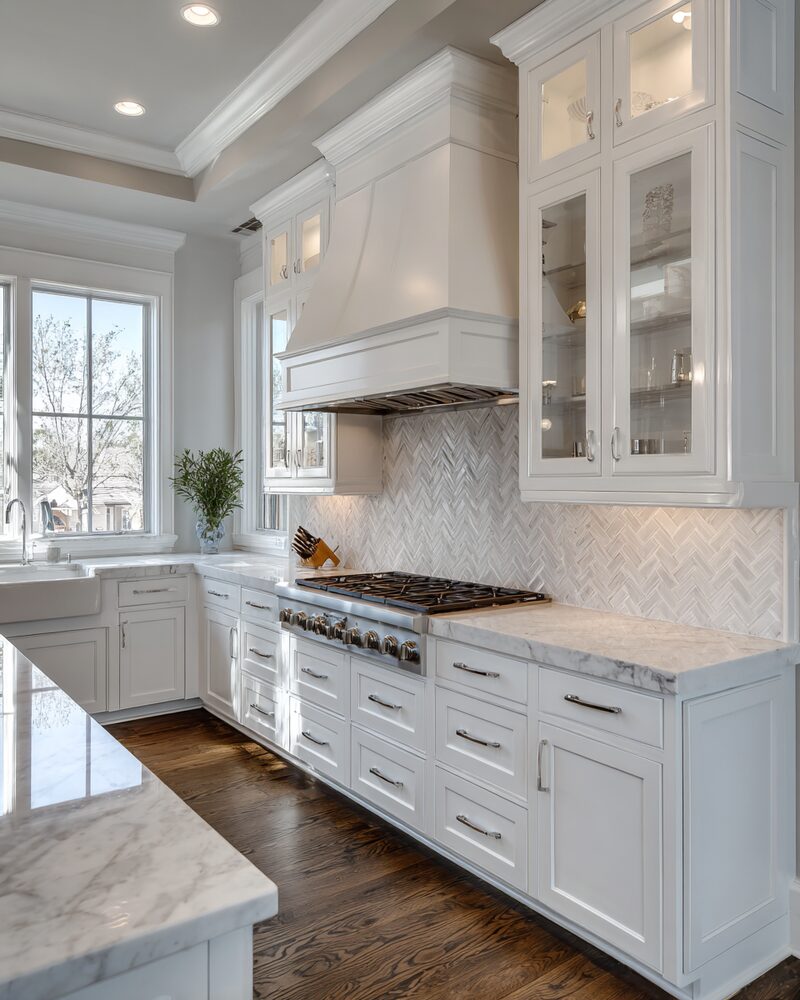
For sellers: presentation and pricing are the strongest levers. Invest where buyers notice value first kitchen, fresh paint, staged rooms, and curb appeal. Price to attract attention in your submarket; an accurately priced home often draws multiple visits and better offers, while an overpriced listing can linger and lose leverage. Understand inspection expectations in Gwinnett County and address obvious issues ahead of listing to reduce friction during negotiations.
Smart repairs and upgrades deliver the best return. Focus on improvements that increase buyer confidence rather than personal aesthetics. Typical high impact items include updated light fixtures, neutral paint, minor kitchen updates, and ensuring HVAC plumbing and roofing records are organized. For investors or buyers planning renovations, zoning rules and permit history at the county level matter. Check with Gwinnett County permitting before starting major work.
Timing matters but so does strategy. If you need to sell quickly, opt for concentrated marketing, flexible showing schedules, and competitive pricing. If you can wait, target strong seasonal windows when buyer activity historically rises and tailor your pricing plan to seasonal buyer demand. Buyers who can move fast with clean offers and flexible closing timelines often gain advantage in competitive Gwinnett County neighborhoods.
Understand how financing and interest rate shifts affect affordability. Even modest rate changes change monthly payment and purchasing power. Buyers should explore different mortgage products, down payment assistance programs, and local lender options familiar with Gwinnett County communities. Sellers should be aware that buyer pool size can expand or contract with rate movement and craft pricing and terms that align with prevailing lending conditions.
Local data beats national headlines. Use neighborhood specific comps, school ratings, crime maps, and commute metrics rather than generalized stats. Look at microtrends: which subdivisions are adding value, where new retail or transit projects are planned, and which segments of housing inventory are moving fastest. This is particularly useful for buyers seeking long term appreciation and sellers aiming to time renovations or relists.
Work with agents who provide local market intelligence and a plan tailored to your goals. Experienced agents know how to stage listings for Gwinnett County buyers, how to structure offers that stand out, and how to advise on timing, pricing, and negotiation tactics. For personalized guidance, market analysis, or to
