The Gwinnett County housing market moves on local signals more than national headlines. Whether you want to buy a family-friendly home in Suwanee or sell a renovated ranch in Dacula, understanding the local tactics that consistently produce strong results will keep you ahead of shifts in inventory, interest rates, and buyer priorities. This guide lays out practical, evergreen steps for buyers and sellers who want measurable outcomes in Gwinnett County real estate.
Start with clear priorities for buyers. Get pre-approved before touring homes so offers are taken seriously and you can move quickly in competitive micro-markets like Sugar Hill, Lawrenceville, Buford, and Snellville. Create a prioritized list that separates must-haves from nice-to-haves, then research neighborhoods by schools, commute times to Atlanta and major employers, HOA rules, and long-term resale trends. Look beyond surface updates: evaluate floorplan flow, ceiling heights, and storage — features that matter to future buyers as much as to you.
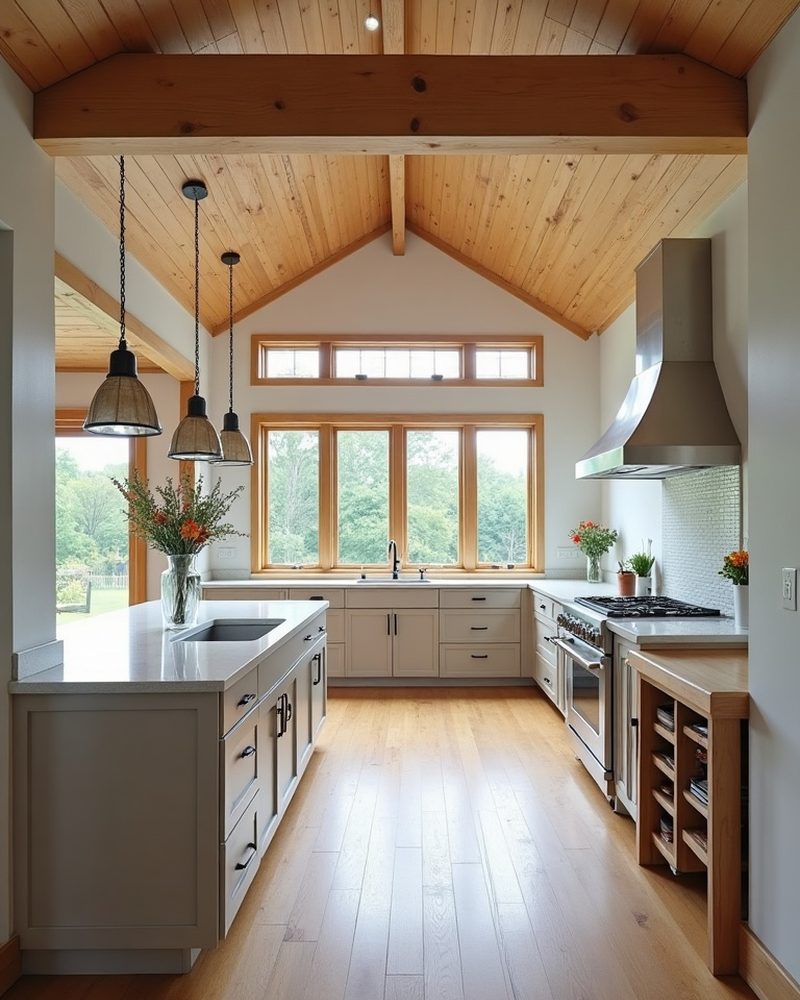
Sellers should lead with accuracy and presentation. Price a home using recent closed sales in the same submarket rather than broad county averages; Gwinnett County micro-markets can vary dramatically within a few miles. Invest in high-return improvements: a clean, updated kitchen, refreshed primary bath, and standout curb appeal typically produce faster offers and higher sale prices. Professionally staged photos and virtual tours attract online traffic and filter serious buyers from casual lookers.
Focus on value moves that last. Energy-efficient upgrades, functional laundry and mudroom spaces, flexible extra rooms that can serve as offices or guest suites, and modern storage solutions retain value across market cycles. Avoid over-personalized renovations that narrow your buyer pool. Smart, neutral updates appeal to the widest audience and make inspection negotiations smoother.
Know the negotiation levers. Buyers should strengthen offers with clean timelines, pre-approval evidence, and reasonable contingencies tied to inspections rather than emotional terms. Sellers can encourage competitive offers by providing recent inspection reports, a clear list of recent upgrades, and flexible showing windows. In many Gwinnett transactions, small concessions tied to closing speed or earnest money can decide which offer wins without changing the list price.
Timing matters but not always the way you expect. Seasonal trends affect buyer interest and inventory, but the right home properly priced will sell any month. For sellers, spring still brings more buyers into the market, while fall buyers are often motivated and ready to close. For buyers, shopping in the shoulder seasons can lower competition — but the key is comparative market knowledge and a fast, confident offer when the right property appears.
Leverage local data and micro-market insight. Look at recent days-on-market and sale-to-list ratios in the neighborhood, not just county averages. Track school rezoning proposals, major developments, and transportation projects like changes to I-85 or GA-316 corridors — these can change demand for specific areas and influence long-term appreciation. Local agents who monitor these shifts turn them into advantage for clients.
Technology and marketing still win attention. High-quality listing photos, virtual tours, targeted social media ads, and detailed neighborhood pages help your listing reach motivated buyers searching online for Gwinnett County homes. Buyers benefit from saved searches, alert settings, and virtual walk-throughs so they can shortlist homes before touring in person. Use tools smartly to filter options and stay ahead of new listings.
Partner with a team that knows Gwinnett County at the street level. The right
