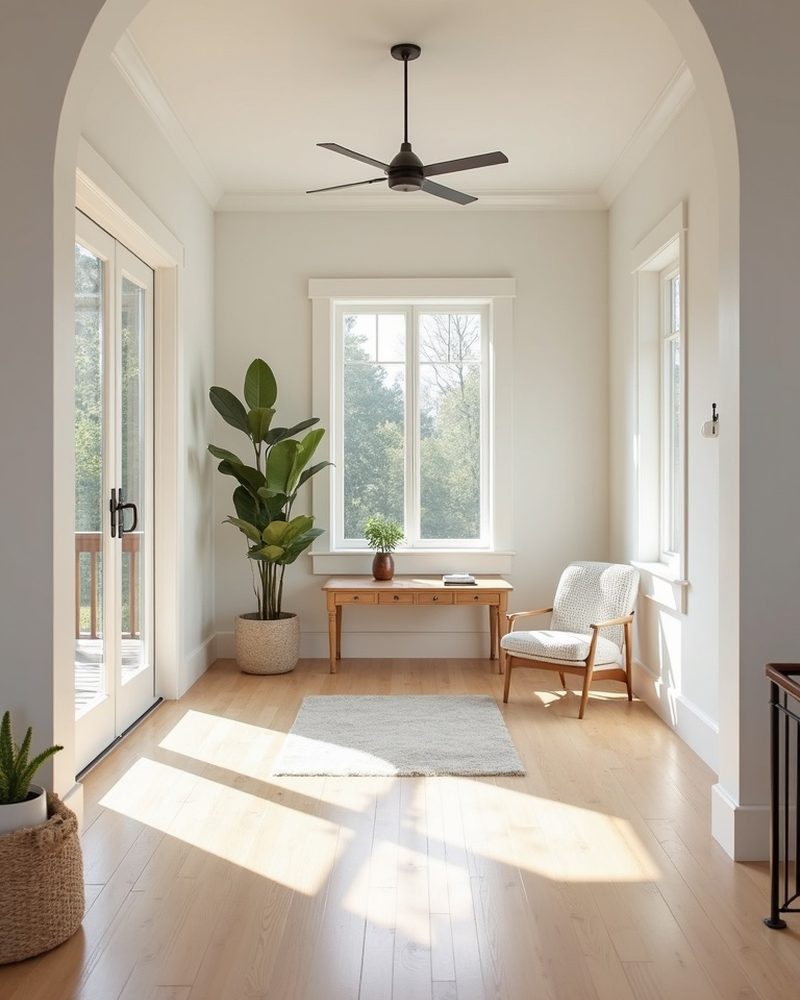
There are meaningful differences between buying or selling a resale home and working with new construction in Gwinnett County. Each path has trade offs that affect price, timing, negotiating power, inspection needs, and long term resale value. Understanding those differences will help buyers pick the home that matches their goals and help sellers position a property to compete with nearby builders and new communities.
Market context matters here. In many Gwinnett neighborhoods like Suwanee, Lawrenceville, Buford, Dacula, Duluth, Snellville, Sugar Hill, and Norcross, new neighborhoods are still being built while established subdivisions continue to trade hands. Interest rates, local inventory, school zone reputations, and commute corridors such as I 85 and GA 316 shape demand. That means a resale home may command attention for location and lot maturity while new construction often sells on finishes and modern layouts. Both options are highly present in our local market, so knowing the practical differences gives you an advantage.
For buyers: what to expect with resale homes
Resale properties typically offer established landscaping, mature trees, finished basements or attics, and known utility patterns. You can compare past sale history and neighborhood comps to estimate true value. Expect to rely more heavily on inspections for hidden maintenance items like roofs, HVAC, or foundation issues. In competitive pockets, sellers may get multiple offers, so be ready with mortgage preapproval and flexible terms. If you want a quicker move in without upgrade wait times, resale often wins.
For buyers: what to expect with new construction
With a new build you get modern layouts, builder warranties, energy efficient systems, and the chance to customize finishes. New communities sometimes charge lot premiums or require base upgrade packages which change the effective price. Build timelines, permit delays, and change order policies can extend closing dates. It is critical to review the warranty, understand what is covered after closing, and keep an eye on long term HOA rules that could affect resale. New construction can be appealing to buyers who value low maintenance in the first several years.
For sellers: how resale competes with builders
If you are selling a home in Gwinnett County, know what builders are offering nearby. Buyers comparing a resale to new construction will weigh location and character against brand new finishes and appliances. Small local improvements can change perception and price: fresh paint, updated lighting, minor kitchen or bathroom tweaks, and professional staging often make resale listings stand out. Pricing is crucial. Overprice and builders will attract buyers who prefer a new finish for a similar spend. Price right and highlight lot size, mature landscaping, schools, and any recent systems updates.
Inspection and appraisal realities
Buyers should plan for thorough inspections on resale homes and know that appraisers will anchor to recent comparable sales. New construction appraisals can be affected by lot premiums and current sales pace in the new community. Sellers can support appraisals by providing receipts for upgrades, documentation for recent repairs, and a list of comparable sales in the neighborhood that reflect current values.
Timing and negotiating power
Buying resale often allows for a faster closing and a defined condition at time of contract. New construction involves milestones and sometimes longer wait times. Negotiation power shifts with supply and demand. In low inventory conditions, sellers of resale homes may receive strong offers. When builders have inventory to move, they may offer incentives such as closing cost assistance or reduced upgrades that influence buyer decisions.
Practical checklist for Gwinnett County buyers and sellers
- Check school zones and enrollment boundaries. Good schools remain a top driver of local demand.
- Compare property tax histories and any recent reassessments.
- Confirm floodplain status and appraisal district details.
- For buyers considering new builds, get the construction timeline and warranty terms in writing.
- For sellers, invest where homeowners value it most locally: kitchens, curb appeal, and durable flooring.
- Understand HOA rules and fees, then disclose them upfront.
- Always have a local agent who tracks micro market shifts in Gwinnett neighborhoods.
Local insight speeds better decisions
Local knowledge matters. A builder incentive in one subdivision can ripple through nearby resale pricing. A school rezoning or new shopping center can alter demand in ways national articles do not capture. For up to the minute guidance and neighborhood specific comparisons, you can reach out to The Rains Team at 404
