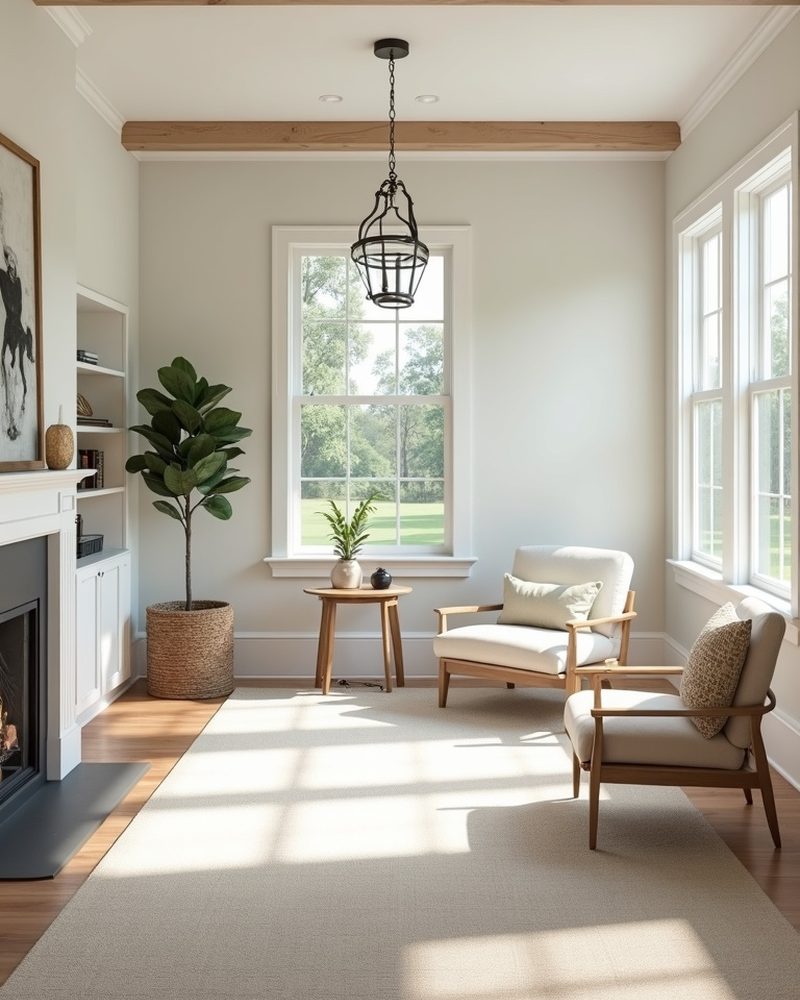
In Gwinnett County real estate the choices you make before you list or make an offer often determine whether you capture value or leave money on the table. Whether you are looking to buy a house in Lawrenceville, sell a home in Suwanee, or compare neighborhoods from Buford to Snellville, understanding the local mix of new development and older established neighborhoods will help you move confidently and profitably.
Start with the local snapshot not the national headlines. Gwinnett County is a collection of micro-markets: new subdivisions near Highway 316 or the Sugarloaf Parkway corridor behave differently than 1980s-era neighborhoods near downtown Duluth or Lawrenceville. Look at inventory levels, median days on market, and price per square foot for your specific zip code or subdivision. These local metrics are far more predictive of short-term outcomes than broad regional data.
For sellers focus on three practical moves that consistently improve results: correct pricing, targeted presentation, and timed availability. Correct pricing means setting a number based on current comparable sales in your neighborhood and accounting for condition and unique features. Targeted presentation means highlighting what local buyers want — fresh paint in neutral tones, updated kitchens if your area attracts move-up families, or low-maintenance yards if you compete with newer communities. Timed availability means listing when buyer demand in your micro-market is strongest; in Gwinnett that often aligns with school-year cycles and spring activity but can vary by neighborhood.
Buyers benefit from a strategic checklist tuned to Gwinnett specifics. Verify school zones early because they still shape demand and resale value in many pockets of the county. Confirm future development plans for the block or nearby tracts through county planning maps; new development can change traffic patterns or long-term desirability. Factor in commute corridors: access to I-85, GA-316, and local parkways affects how different neighborhoods trade. Finally, budget for competitive offers by knowing recent sold prices and being prepared with pre-approval and flexible closing terms.
Small improvements can produce outsized returns. Simple landscaping, replacing dated light fixtures, and replacing worn flooring in key living areas are cost-effective for sellers in Gwinnett. For buyers evaluating older homes, focus renovation dollars on systems that affect insurance and financing: roof condition, HVAC, electrical panels, and crawlspace or foundation issues. These are items lenders and inspectors scrutinize and buyers will factor into their offers.
Price strategy in Gwinnett County is rarely one-size-fits-all. In some neighborhoods slight underpricing can generate multiple offers and a faster sale; in others, precision pricing to the dollar keeps your listing competitive. Work with a local agent who reads neighborhood pricing momentum — the same list price can perform differently in Sugar Hill versus Dacula.
Understand homeowner associations and tax variations. Many newer subdivisions in the county have active HOAs with dues and covenants that affect resale. Likewise property tax assessments and millage rates can differ by municipality and special districts. Both factors matter to buyers calculating monthly ownership costs and to sellers positioning the home for the right buyer pool.
Timing and negotiation are local arts. In Gwinnett, buyers who can offer flexible closing dates or assume minor cosmetic repairs often win when inventory is thin. Sellers who accommodate reasonable inspection windows and present clean disclosure documents reduce friction and speed closings. Always compare negotiated net proceeds after common seller expenses such as concessions, repairs, and closing costs.
If you want real-time neighborhood comps, a custom plan for staging or pricing, or help comparing offers in today’s Gwinnett marketplace, The Rains Team provides local expertise and up-to-date market analysis. Call The Rains Team at 404-620-4571 to discuss your goals or pull neighborhood-specific data. You can also explore resources and listings at
Gwinnett County Homes to see how active inventory and recent sales look in your area.
Final tip: treat the move as both an immediate transaction and a long-term investment. Whether you buy in an emerging subdivision near new retail or in a quiet street with mature trees, balancing lifestyle priorities with resale-minded upgrades will give you both peace of mind and financial resilience in Gwinnett County real estate.
Ready to
