Gwinnett County real estate continues to attract buyers and sellers because of its strong communities, schools, and growth potential. Whether you are buying your first home, upsizing, downsizing, or selling an investment property, focusing on durable strategies will help you make decisions that matter today and remain sensible years from now.
Start with local context before price. Gwinnett County is not a single market but a collection of micromarkets shaped by school boundaries, commute corridors, new development corridors, and neighborhood amenities. Instead of guessing which factor matters most, list your priorities clearly: commute time, school quality, resale flexibility, yard size, or rental potential. That list becomes your filter when comparing homes and neighborhoods.
Understand total cost of ownership. Price is only one piece. Consider property taxes, homeowners association fees, insurance exposure including flood zones, utility costs, and likely renovation costs. Buyers should run a conservative budget for repairs and upgrades; sellers should calculate net proceeds after closing costs and any required repairs to reach the most buyers.
Use local comparables thoughtfully. When evaluating value, look at recent sales in the exact neighborhood and for homes with similar lot sizes, age, and updates. Pay attention to price per square foot trends but weight them alongside days on market and concessions. Sellers who price with local comps and present the home well get more buyer attention and often a faster sale.
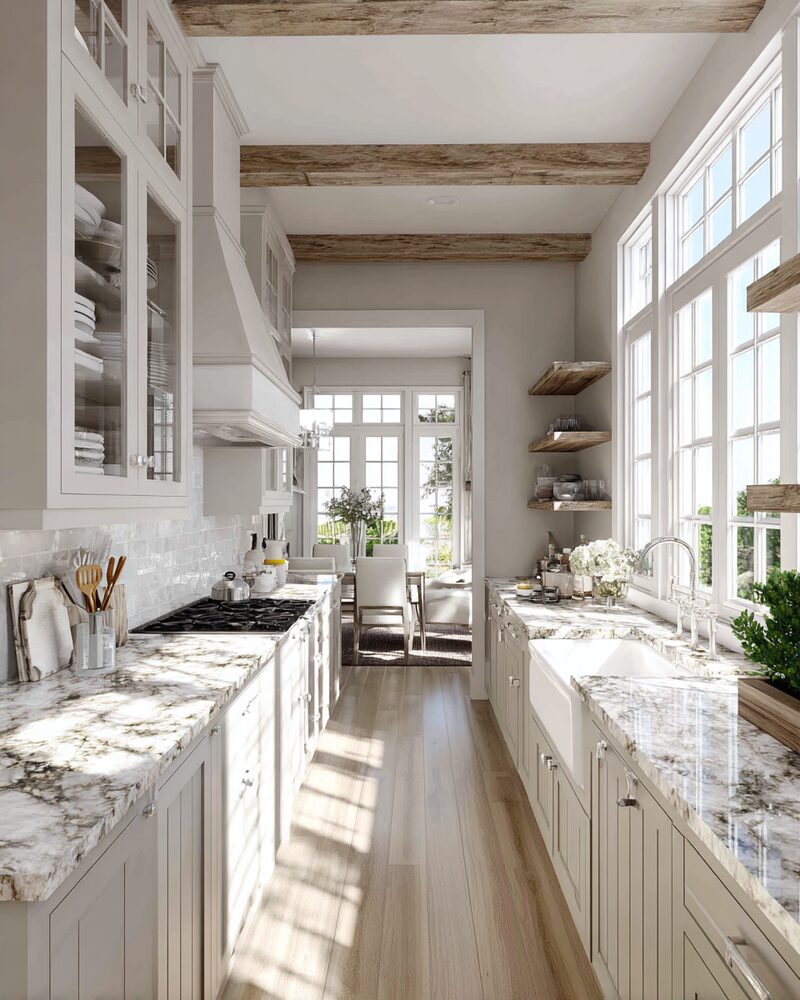
Small, targeted improvements pay over time. For sellers, investing in small projects that buyers see immediately tends to offer the strongest return: fresh paint in neutral tones, updated lighting, decluttered and cleaned spaces, curb appeal improvements like landscaping and a maintained lawn, and staging key rooms. Buyers benefit from prioritizing inspection-identified issues and energy efficient upgrades that lower operating costs.
Think long term about layout and flexibility. Homes that adapt to changing needs hold value: spaces that can serve as home offices, multigenerational living, or rental suites are increasingly desirable. Look for properties with workable floor plans, adequate storage, and options to add value without major structural changes.
Timing matters but do not try to time the market perfectly. Seasonal patterns, school year cycles, and local development announcements influence activity. For example, listings around the start of the school year and in the spring often attract families, while sellers who align pricing and presentation to local demand often outperform those waiting for an ideal market moment.
Leverage data but prioritize local expertise. National headlines are useful for context, but the difference between a quick sale and a long one in Gwinnett is local knowledge: which neighborhoods are trending, which streets are affected by new road projects, and how school rezoning discussions impact demand. A local agent who knows buyers, lenders, inspectors, and contractors in Gwinnett County speeds transactions and reduces surprises.
Prepare for inspection and appraisal realities. For buyers, use inspection results to budget and negotiate rather than to cancel at the first issue. For sellers, pre-inspections can reveal simple fixes to avoid last-minute hurdles. Both sides should understand that appraisals compare recent closed sales and that documentation of upgrades and maintenance can support fair valuation.
Consider future growth and how it affects resale. Planned transit projects, commercial development, new schools, and infrastructure investments can increase demand long term. Conversely, increased traffic or commercial encroachment can change desirability. Research current county planning documents and attend community meetings to learn what may be coming to specific corridors.
If you plan to rent or flip, run conservative projections. Account for vacancy, management fees, maintenance, and capex. In Gwinnett, proximity to employment centers, transit corridors, and quality schools often supports stronger rental demand and less turnover.
Make your offer stand out beyond price. For buyers in competitive situations, consider cleaner contingencies, faster deposit timelines, and personalized offer letters that highlight stability and connection to the property. For sellers, offering flexible showing times, clear disclosure documents, and a well-photographed listing drives buyer confidence.
Recordkeeping and timelines count. Keep inspection reports, receipts for upgrades, permits, HOA documents, and tax records organized. These items smooth closings and can be highlighted when selling to show the home was well cared for.
Whether you are actively looking or simply planning your next move in Gwinnett County, local guidance makes a measurable difference. If you want neighborhood-level insights, a realistic pricing assessment, or help prioritizing improvements that add the most value, reach out to The Rains Team at 404-620-4571 or visit
gwinnettcountyhomes.com to get started.
