Gwinnett County real estate is driven less by national headlines and more by a dozen small, local shifts that together move values, buyer interest, and sale timelines. Whether you plan to buy or sell a home in Gwinnett County, understanding these neighborhood-level signals can help you make decisions that save money, speed transactions, and protect long term value.
Start with three simple truths: buyers want convenience and quality of life, sellers get rewarded for precise local positioning, and small investments in the right places deliver outsized returns. These ideas are evergreen and particularly useful for anyone focused on homes for sale in Gwinnett County from Suwanee to Lawrenceville, Buford to Dacula, Duluth to Sugar Hill.
Local trend one: commute corridors and proximity matter more than ever. Improvements to GA 316, I?85 access, and park-and-ride or express lanes change which neighborhoods draw buyers. If your home is near an improving commute corridor or within an easy drive of employment centers, expect higher demand from weekday commuters and buyers who value time savings.
Local trend two: lifestyle anchors drive premiums. Great parks, walkable downtowns, lake access, and newer community amenities create consistent buyer demand. Neighborhoods near Lake Lanier, Suwanee Town Center, or active swim-tennis communities typically see faster sales and steadier appreciation because they solve lifestyle needs for families and empty nesters alike.
Local trend three: school boundaries remain a top filter. Gwinnett County Public Schools attendance zones influence both buyer searches and resale value. Buyers often narrow their search by schools first, so sellers benefit when they understand which schools are considered draw areas and highlight that in marketing and property disclosures.
Local trend four: the split between resale and new construction is a key value driver. Some buyers pay a premium for upgraded new builds; others prefer character and established yards. Knowing which micro-markets favor newer subdivisions versus established homes will inform listing price, staging choices, and the buyer pool your property attracts.
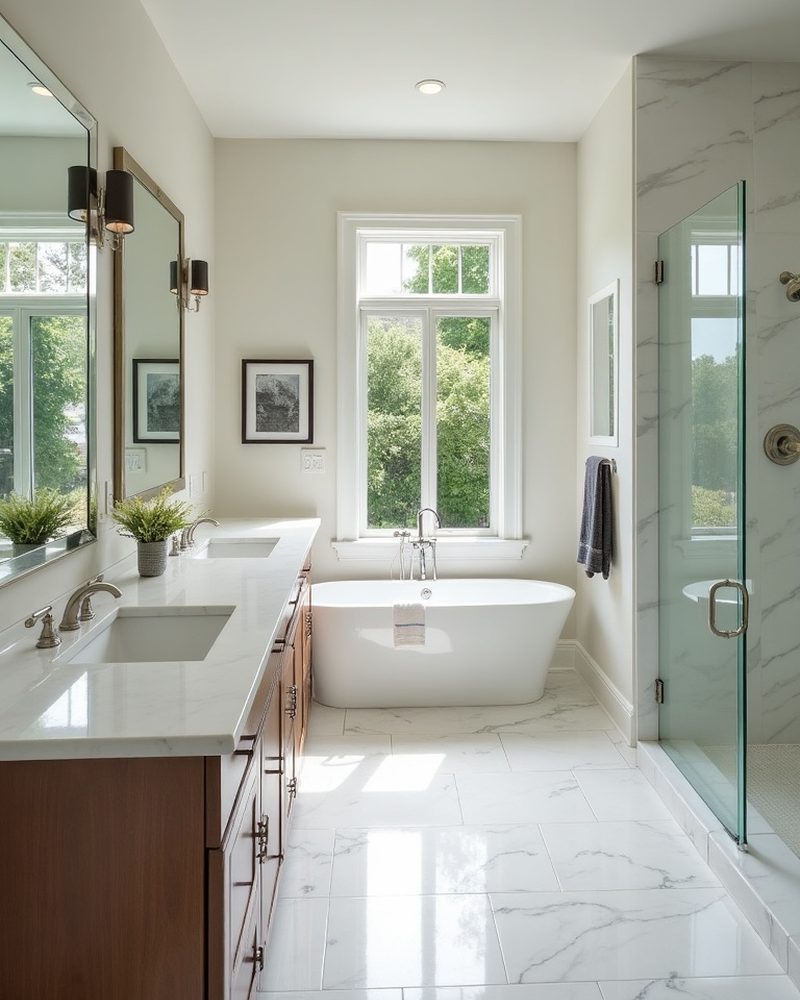
Local trend five: small renovations with broad appeal outperform flashy custom projects. In Gwinnett County, targeted updates such as kitchen refreshes, durable flooring, updated lighting, and modern primary baths tend to have strong payback. Over-improving for your specific neighborhood, however, can leave value on the table, so align upgrades to comparable homes in your immediate market.
What buyers should focus on now: get pre-approved and prioritize micro-markets. Inventory can be uneven across Gwinnett County; some price tiers and neighborhoods move quickly while others sit longer. Use local market reports and recent comparable sales to identify where your budget buys the most value. Inspect for common regional issues like grading and drainage, roof age, and HVAC lifespan so you can evaluate true cost-to-own versus list price.
What sellers should focus on now: price to local comps and reduce friction. Homes that are competitively priced, show well, and require minimal buyer fixes sell faster and often for more. Stage to emphasize space and flow, pay attention to curb appeal (landscaping, front door, clean siding), and provide clear documentation of recent maintenance and improvements. If your neighborhood has an active HOA or deed restrictions, make that information easy to find for buyers.
Practical moves anyone can use: research nearby recent sales, walk drive times to schools and employment centers at peak hours, factor HOA fees and property taxes into affordability, and evaluate resale potential from the street. For
