When you are buying or selling a home in Gwinnett County GA you benefit most from a plan built for local conditions. This checklist pulls together the practical steps and neighborhood signals that matter now and will remain useful for years, whether you are shopping for homes in Suwanee, listing in Lawrenceville, or comparing options across Buford, Duluth, Sugar Hill and beyond.
Start with real market context not broad trends. Look at recent sold prices, days on market, and active inventory in the specific subdivision or zipcode you care about. In Gwinnett County these micro markets can move differently: new construction corridors, top school zones, and proximity to Lake Lanier or major highways like I 85, I 985 and GA 316 all change demand. Pull three months of local comps, and compare them to one year ago to see momentum rather than a single snapshot.
For sellers follow this localized checklist to prepare a home that competes for top offers:
- Price with neighborhood precision. Buyers in Gwinnett shop by school zones and nearby amenities; a correctly placed list price generates multiple showings and often better offers.
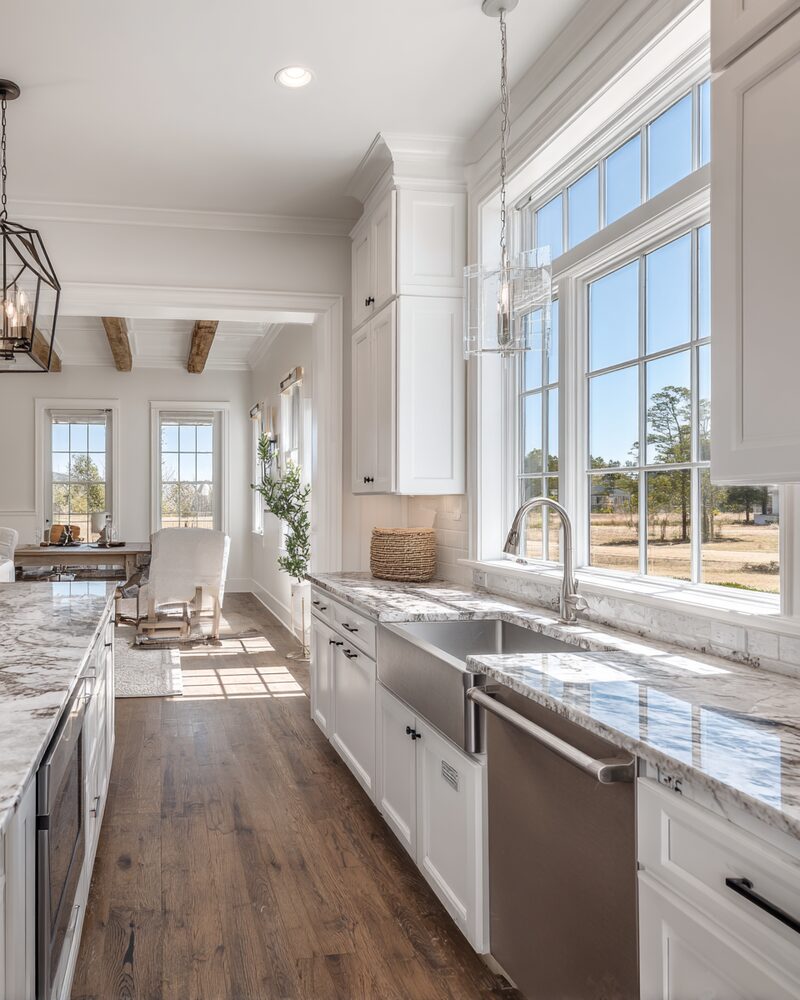
- Invest where returns are proven here: curb appeal, fresh paint, updated lighting, and a staged main living area. For many Gwinnett buyers modern kitchens and functional outdoor spaces matter.
- Address common regional inspection items before listing such as roof condition, drainage and guttering, HVAC servicing, and termite/wood rot checks. These reduce buyer objections and speed closings.
- Create comparable market analysis pages or sheets for buyers that show recent sold homes, similar floorplans, and neighborhood improvements like new sidewalks, parks, or broadband upgrades.
For buyers use this checklist to be competitive and avoid costly surprises:
- Know the school boundary and its likely effect on values; even small shifts in attendance zones can change buyer interest and resale value.
- Verify commute routes and peak travel times to major job centers; Gwinnett traffic patterns can vary significantly by neighborhood and time of day.
- Schedule specialized inspections when appropriate: crawlspace moisture, septic (if applicable), and a targeted roof and drainage evaluation are frequent sources of post contract renegotiation.
- Plan an offer strategy based on local inventory. In tight micro markets consider escalation clauses, earnest money adjustments, or flexible closing windows to stand out without overpaying.
Price strategy matters more than ever. Whether interest rates push buyers to be choosier or inventory creeps up, pricing a home for today's buyer mindset drives visibility on search portals and open houses. For sellers, small price gaps between comparable listings often determine which home gets the first wave of showings. For buyers, aligning your offer to recently contracted sale prices rather than asking prices reduces appraisal risk and contingency friction.<
